What third-party logistics means: storage, warehousing and services
What third-party logistics means in practice, how it differs from in-house logistics, and which storage and warehousing tasks the client company keeps.
Many companies in the province of Brescia hear the term third-party logistics without having a clear picture of what actually changes compared with managing a warehouse in-house. The term gets used for quite different arrangements, from simple goods storage to a full service covering warehousing, order preparation and distribution. This article explains the third-party logistics meaning in practice, how it differs from in-house logistics, which tasks move to an external operator, and which ones always stay with the client company.
The third-party logistics meaning in practice
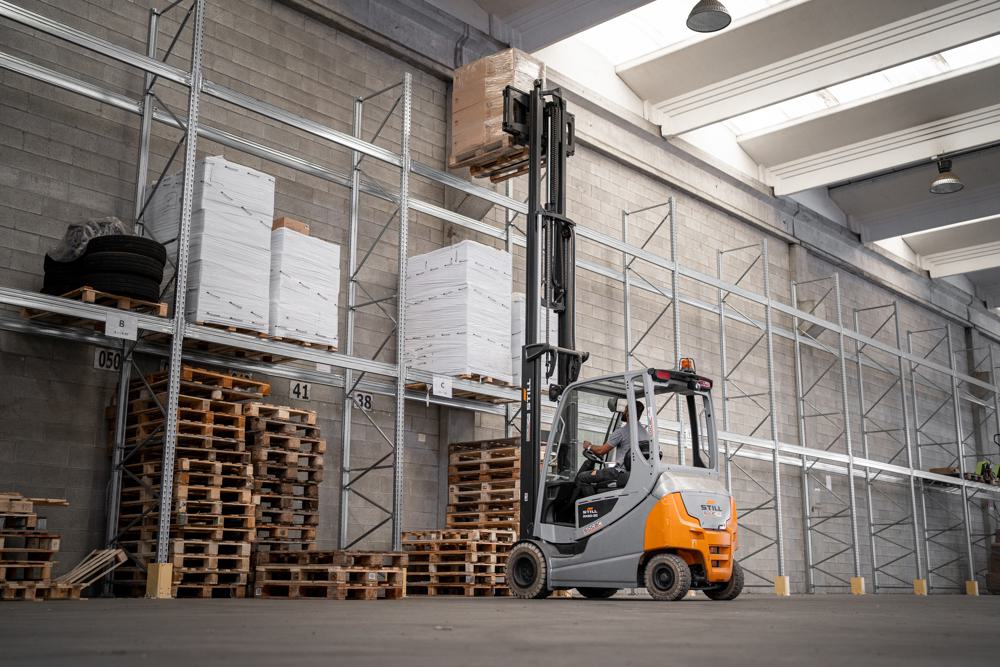
Third-party logistics, often shortened to 3PL, describes a model in which a company hands the operational management of one or more stages of its supply chain to an external operator: goods receipt, storage, handling, order preparation, distribution. The 3PL operator works in its own premises, with its own staff and equipment, but on behalf of the client, who remains the owner of the goods and keeps every commercial decision.
Ital Log provides third-party logistics services in Brescia, from its operating site on Via Francesco Castagna, built for companies across the province that want to hand off the operational side of warehousing without losing visibility and control over their flows.
Third-party logistics or in-house: the difference
With in-house logistics, a company manages space, staff and equipment internally: it rents or buys a building, hires and trains warehouse staff, invests in racking and management systems. It keeps direct control over every stage, but also carries the fixed costs and the day-to-day operational responsibility.
With third-party logistics, these tasks are handed to a specialised operator. The client company no longer has to find space, hire staff or run handling equipment directly: it pays for a service and keeps control through reporting and, on request, integration with its own ERP. Choosing between the two models depends on volumes, seasonality and whether the company prefers to focus internal resources on its core business rather than on running a warehouse.
What third-party logistics services include
A third-party storage service such as the one offered by Ital Log typically includes:
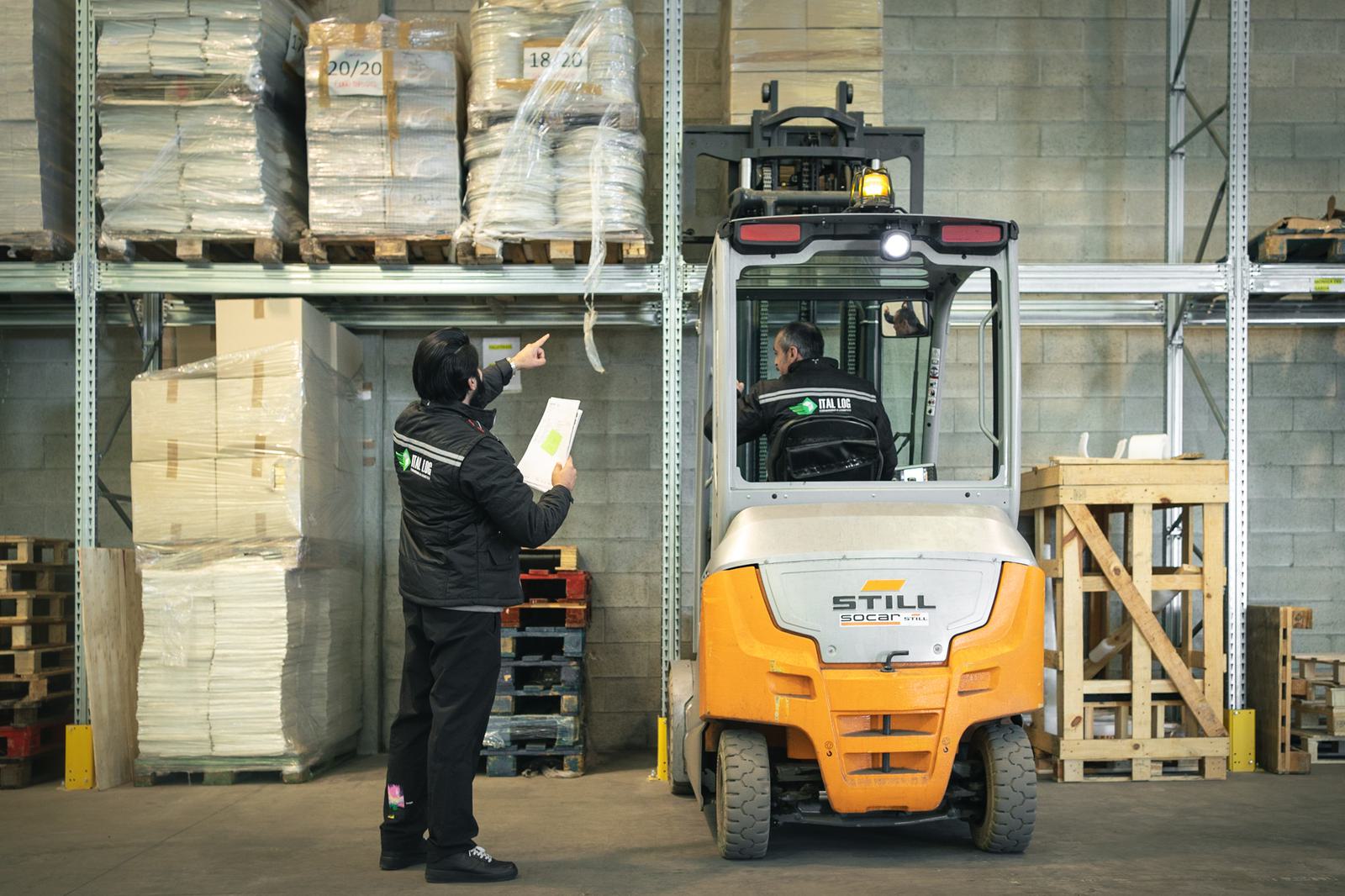
- receipt and checking of incoming goods;
- storage, with organised management of space and stock;
- preparation of outgoing orders;
- internal handling with dedicated staff and equipment;
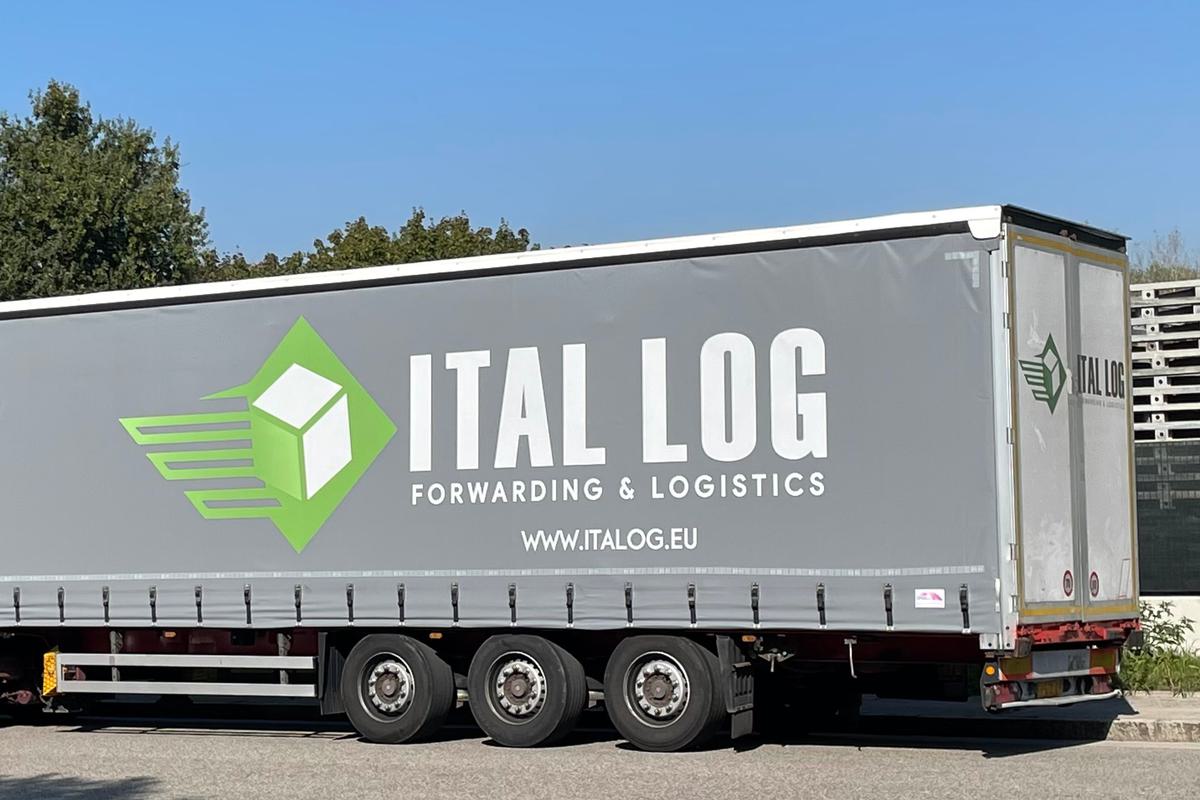
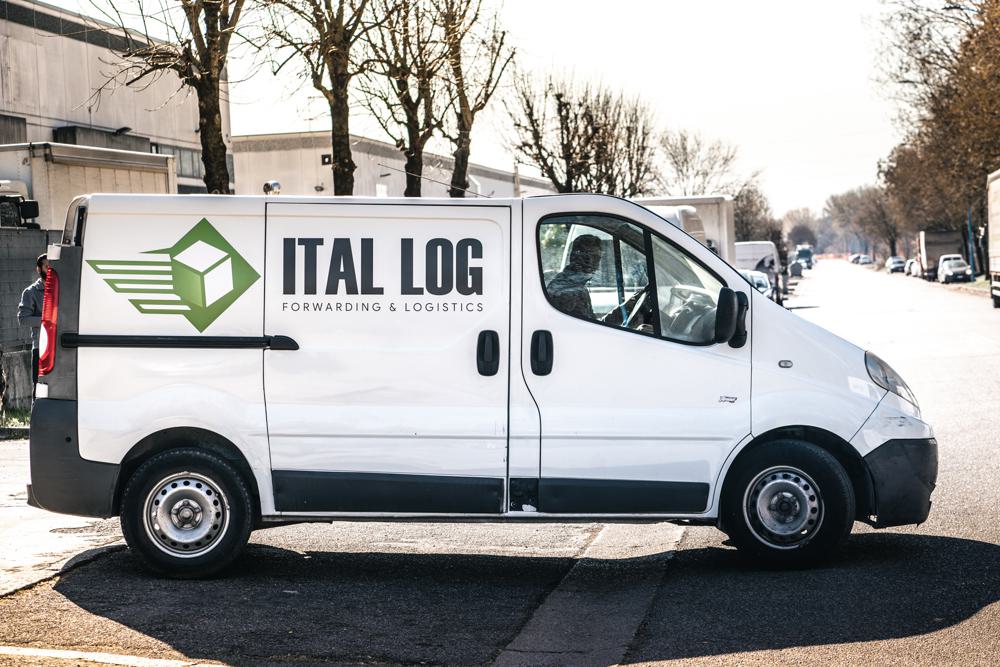
- distribution across Italy and Europe, using the company's pallet transport services;
- on request, integration of order and stock data with the client's ERP, together with shipment tracking and reporting.
Not every company needs the full package: some outsource only seasonal storage, others the whole warehouse operation including order preparation and distribution. The service is built around actual needs rather than a fixed template.
What stays with the client company
Outsourcing does not mean losing control of the supply chain. The client company always keeps the commercial decisions: what to sell, to whom, and on what terms. It also keeps ownership of the stored goods and the responsibility towards its own end customers.
What changes is who manages space and staff on a day-to-day basis. This is why it matters that the 3PL operator provides visibility over the flows: knowing in real time what has come in, what has gone out and what remains in stock is the condition that makes third-party logistics work as a genuine extension of the company, rather than a closed box. On request, the warehouse can be integrated with the client's ERP precisely to keep that visibility.
When third-party logistics makes sense
Third-party logistics tends to make sense once internal space is no longer enough, once stock management becomes imprecise, or when seasonal peaks would put pressure on a facility sized for average volumes. The same applies to growing companies that would rather not tie up capital in buildings and racking before volumes are confirmed. Companies with stable volumes, available space and trained staff already in place can keep managing the warehouse internally without an immediate advantage from outsourcing.
For a closer look at the concrete signals that it is time to outsource, see third-party warehousing in Brescia: when it pays off.
Frequently asked questions
What does third-party logistics actually mean?
It means an external operator manages, in its own premises and with its own staff, one or more stages of a client company's logistics: storage, handling, order preparation and distribution. The client company remains the owner of the goods and keeps every commercial decision.
What is the difference between third-party and in-house logistics?
With in-house logistics, the company manages warehouse space, staff and equipment internally. With third-party logistics, these tasks are handed to a specialised operator, which runs them on the client's behalf in exchange for a service.
Can a company outsource only part of its logistics?
Yes. Some companies outsource only seasonal storage, others the whole warehouse operation, including order preparation and distribution. The service is built around the specific needs of each company.
Who keeps control over goods stored with a third-party operator?
The client company always remains the owner of the goods. The logistics operator handles the operational tasks and, on request, provides visibility over the flows through ERP integration and reporting.
Is third-party logistics only worth it for large companies?
No. It is particularly useful for small and medium-sized businesses in the province of Brescia that want to stay flexible without investing in fixed space and staff, especially when facing growth or seasonal peaks.
Request an assessment for your logistics
If your company is based in Brescia or its province and you are weighing which warehousing and distribution tasks to hand to a third-party operator, we are available to review your current setup and propose a tailored solution. You can request a quote online, write to info@itallog.it or call +39 030 8860285. Our operating site is at Via Francesco Castagna 7, Brescia.